



Understanding the Allure of Gambling
Casino gambling captivates many individuals, drawing them into the bright lights and vibrant sounds that fill these establishments. At its core, this attraction stems from a complex interplay of psychological factors, including the thrill of risk-taking. People often seek out environments that provide an adrenaline rush, and instant payid pokies australia real money casinos deliver just that by positioning players at the edge of uncertainty, where potential gains seem tantalizingly within reach. The environment itself is designed to engage the senses, creating a euphoric atmosphere that can blur the line between entertainment and compulsive behavior.
Another significant factor is the social aspect of gambling. Many people visit casinos not just to play but to socialize and have fun with friends and family. This interaction enhances the excitement and enjoyment of gambling, turning what could be a solitary activity into a shared experience. The sense of community that develops among players, whether celebrating victories or commiserating over losses, fosters a deeper psychological connection to the environment and reinforces the urge to return.
Finally, the concept of ‘near misses’ plays a crucial role in the psychological allure of gambling. When players come close to winning, the brain often misinterprets this as a success, triggering dopamine rewards similar to actual wins. This psychological trick can create a powerful compulsion to keep playing, as individuals feel they are just one step away from a big payout. Thus, the combination of excitement, social interaction, and the neuroscience of gambling creates a potent mix that can lead to repeated visits and prolonged sessions.
Cognitive Biases and Illusions
Cognitive biases significantly influence gambling behavior by distorting an individual’s perception of their odds of winning. One well-documented bias is the gambler’s fallacy, where players believe that past outcomes affect future results. For instance, if a roulette wheel shows several reds, a player may feel that black is “due” to appear. This logical misstep illustrates how gamblers can become overconfident in their ability to predict outcomes based on previous experiences, often leading them to wager more than they can afford to lose.
Another fascinating illusion is the concept of control. Many gamblers believe they can influence outcomes through strategy or technique, which is often more about hope than reality. This is evident in games like blackjack, where players feel strategic play can improve their chances. The illusion of control reinforces the idea that skill, rather than chance, dictates success, encouraging players to gamble more frequently to prove their perceived abilities.

Moreover, the environment of a casino is tailored to amplify these cognitive biases. The arrangement of games, the use of enticing colors, and the presentation of winnings create a sensory experience that fosters an illusion of wealth and success. This manipulation can lead individuals to underestimate the risks involved, as the visual and auditory stimuli distract from the harsh realities of losing money. As a result, cognitive biases combined with crafted environments can significantly alter players’ decision-making processes and betting behavior.
The Role of Emotions in Gambling
Emotions play a pivotal role in the decision-making processes of gamblers. The thrill of winning instills a sense of euphoria, often causing individuals to chase those initial feelings by returning to the casino for more. This excitement can become addictive, as the brain releases feel-good neurotransmitters like dopamine and serotonin during wins. The cycle of highs and lows associated with gambling taps into emotional responses that can create a rollercoaster effect, making it difficult for players to step away even after experiencing significant losses.
Conversely, negative emotions can also drive gambling behavior. Stress, anxiety, and depression can push individuals toward casinos as a form of escapism. They may perceive gambling as a way to alleviate their emotional burdens temporarily, seeking distraction from their problems or a way to achieve financial relief. This coping mechanism, however, can lead to destructive patterns of behavior as gambling ceases to be merely recreational and becomes a harmful outlet for handling life’s challenges.
Furthermore, the emotional rollercoaster that accompanies wins and losses can foster a dangerous cycle of gambling. Players may become desensitized to losses, viewing them as an expected part of the experience, while simultaneously holding on to hope for the next big win. This emotional attachment can cloud judgment and lead to irrational betting patterns, as the desire to escape negative feelings or recapture the thrill often overrides rational financial decision-making.
The Impact of Technology on Gambling Behavior
The advent of technology has transformed the landscape of gambling, bringing casinos into the digital age. Online platforms allow players to gamble from the comfort of their homes, increasing accessibility and potentially leading to more frequent gambling. This convenience can exacerbate the psychological factors associated with gambling, as online players often have fewer social cues that might typically moderate their behavior in a physical casino environment. The lack of face-to-face interaction can diminish accountability, leading to increased risk-taking.
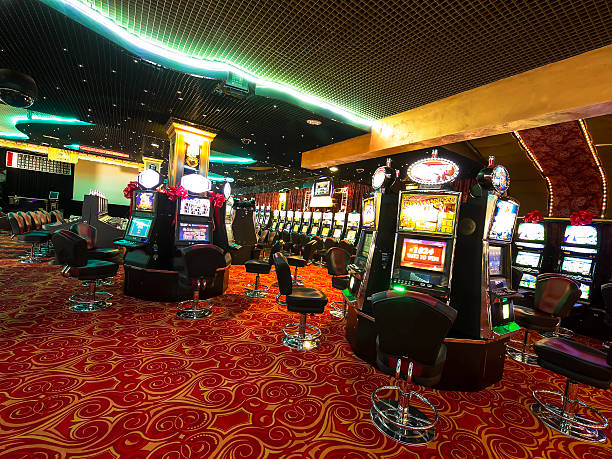
Moreover, the design of online gambling sites employs various psychological tactics to keep players engaged. Features such as bonus spins, rewards systems, and instant notifications enhance the gaming experience and amplify the likelihood of continued play. These elements leverage the same addictive qualities found in traditional casinos, such as bright lights and celebratory sounds, creating a seamless transition from physical to virtual gambling that can be hard for individuals to resist.
Additionally, the rise of mobile gambling apps has further integrated gaming into daily life, making it easier for individuals to gamble at any time and place. This constant availability can intensify pre-existing compulsions, as players may find themselves drawn into gambling during moments of boredom or stress without the spatial boundaries that a physical casino imposes. The ease of access can contribute to greater impulsivity and a sense of urgency, making it imperative to understand the psychological effects of these evolving technologies on gambling behavior.
Conclusion and Resources for Responsible Gambling
Understanding the psychology behind casino gambling is essential for both players and industry stakeholders. By recognizing the combination of cognitive biases, emotional influences, and social dynamics at play, individuals can better navigate their experiences and make informed decisions. For those grappling with gambling addiction, it is vital to seek support and utilize resources that promote responsible gambling. Networks that offer vital assistance provide a platform for individuals to share their experiences and learn from one another.
Educational initiatives that raise awareness about the psychological aspects of gambling can also foster healthier attitudes toward gaming. By emphasizing the importance of moderation and self-awareness, industry professionals can help create safer environments that prioritize player well-being. Tools such as self-exclusion programs and setting financial limits can empower gamblers to maintain control over their activities and enjoy the entertainment aspect of gaming without crossing into harmful territory.
In summary, exploring the psychology of casino gambling reveals a complex interplay of factors that influence behavior. By gaining insights into these elements, both players and the industry can work together to encourage responsible gambling practices that balance enjoyment and risk. Ultimately, fostering a healthier gambling culture benefits everyone involved, creating a more sustainable future for gaming entertainment.
