



The evolution of casinos A historical journey through time
The Origins of Gambling and Early Casino Concepts
The history of casinos can be traced back to ancient civilizations, where various forms of gambling were integrated into social and cultural practices. The earliest evidence of gambling dates back to around 3000 BC in China, where tiles were discovered that suggest a rudimentary game of chance. Similarly, the Roman Empire had games of chance that were widely popular among its citizens, often held in taverns and private homes. As players now explore modern options like the site https://tower-rush-games.com/pakistan/, they experience this combination of history with innovative gameplay.

As society evolved, so did the concept of gambling. By the 17th century, the first official casinos emerged in Italy. The Ridotto, established in Venice in 1638, is often regarded as the first licensed public gambling house. This establishment laid the groundwork for modern casinos, creating an environment where social interaction and gambling could coalesce in a controlled setting.
The Rise of Casinos in Europe
The 18th century witnessed the establishment of more formal gambling establishments across Europe. In France, the popularity of games like roulette and baccarat surged, leading to the creation of lavish casinos that became centers of entertainment for the elite. Cities like Paris became synonymous with luxury and gaming, where the high stakes attracted wealthy patrons from across the continent.
During this period, casinos became more than just places to gamble; they evolved into social hubs. Patrons would dress in their finest attire, and the atmosphere was often electric with excitement. This trend paved the way for the expansion of casinos beyond European borders, as the appeal of gambling transcended cultural boundaries.
The American Casino Boom
The 20th century marked a significant turning point in the history of casinos, particularly in the United States. The first state to legalize gambling was Nevada in 1931, leading to the rapid development of Las Vegas as the gambling capital of the world. The allure of the American Dream, combined with the glamour of Hollywood, transformed Las Vegas into a playground for those seeking fortune and entertainment.
The construction of iconic resorts and casinos like The Flamingo and Caesars Palace during the mid-20th century highlighted the growing importance of casinos in American culture. This era also saw the introduction of slot machines and other gaming innovations, further enhancing the gaming experience for visitors.
The Digital Revolution and Online Casinos
The late 20th and early 21st centuries witnessed another monumental shift in the casino landscape with the advent of the internet. Online casinos emerged in the mid-1990s, allowing players to gamble from the comfort of their homes. This technological revolution not only expanded access to gambling but also introduced new game formats and opportunities for players worldwide.
As online casinos grew in popularity, they adopted features that appealed to a broader audience, including interactive games and live dealer experiences. This digital transformation has continued to evolve, with mobile gaming becoming increasingly prevalent, catering to the changing preferences of players who enjoy convenience and flexibility.
Modern Gaming Experiences and Future Trends
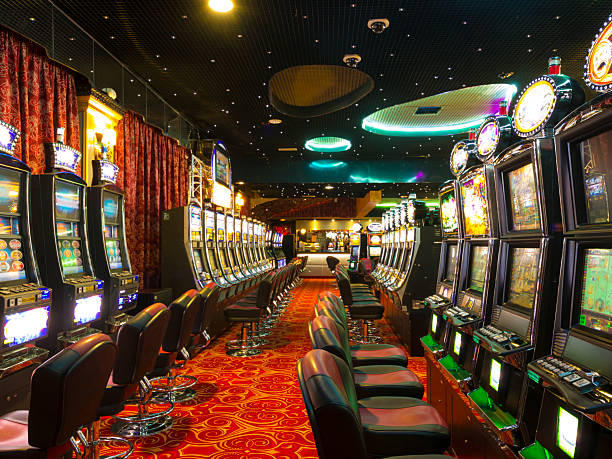
Today’s casinos are a fusion of traditional gaming and modern technology. Establishments are now designed to create immersive experiences, blending gaming with entertainment, dining, and nightlife. Innovations like virtual reality and augmented reality are beginning to play a role in how games are experienced, offering players unique and engaging formats.
As the landscape continues to evolve, casinos must adapt to the demands of a diverse clientele. This includes enhancing security measures, expanding payment options, and developing responsible gaming initiatives. The future of casinos looks bright, with endless possibilities for growth and innovation.
